
How to Measure 0 to 100 km/h With Your Phone
Laura Coleman · on 17 July 2026 · 9 min read · Last reviewed 17 July 2026
How 0 100 km/h apps work
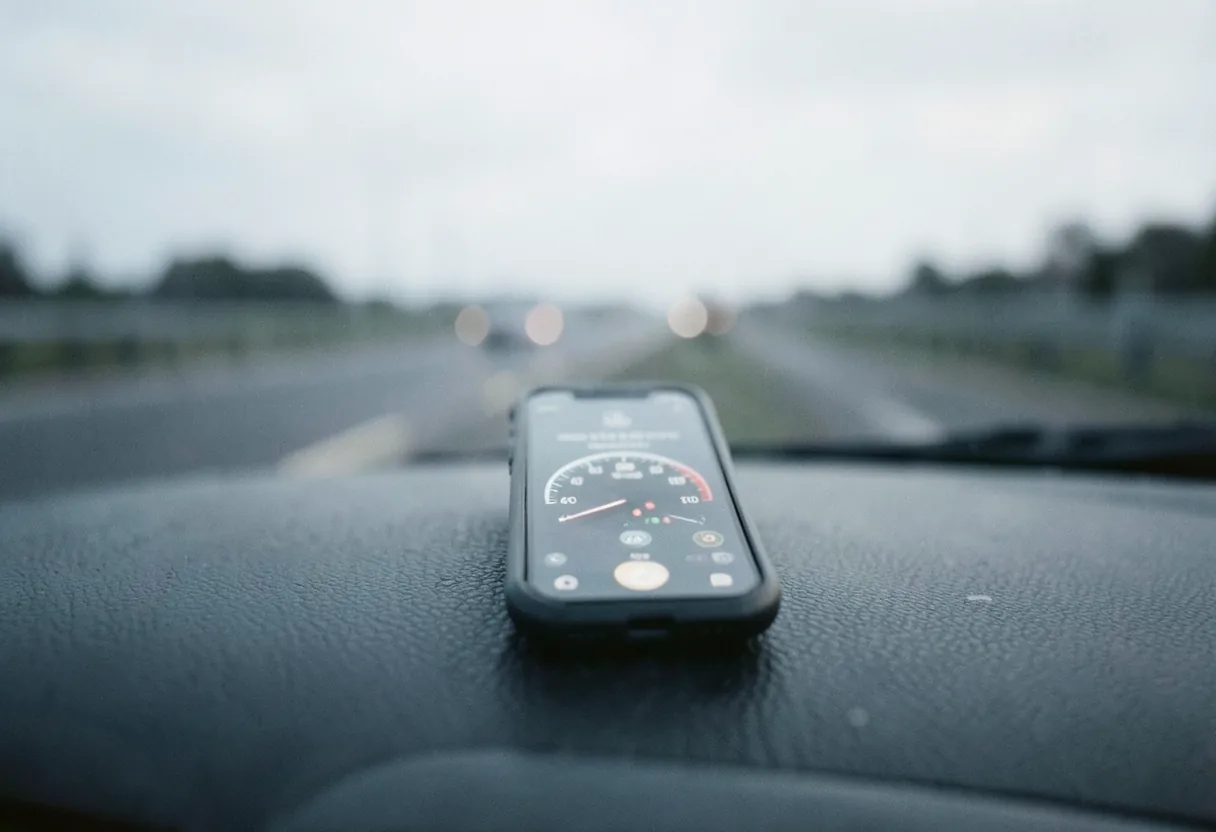
0 100 km/h apps use your smartphone’s GPS and accelerometer to track your vehicle’s speed and acceleration. Here’s a simple breakdown of the process:
- GPS signal: The app uses your phone’s GPS to determine your vehicle’s speed and location.
- Accelerometer data: The app also uses your phone’s built-in accelerometer to measure the rate of acceleration.
- Data processing: The app processes this data in real-time to calculate your 0 100 km/h time.
- Results display: The app displays your results on-screen and may offer additional features, such as data export or community comparisons.
In plain terms: Think of it like a digital stopwatch that syncs with your car’s speedometer, recording how quickly you go from zero to 100 km/h, similar to how a chef times boiling an egg for the perfect soft yolk.
Key facts
- The 0 100 km/h metric is a standard benchmark for evaluating a car’s acceleration performance.
- Smartphone apps provide an accessible and affordable way to measure this metric without specialized equipment.
- According to the National Highway Traffic Safety Administration, accurate acceleration measurements can help drivers understand their vehicle’s capabilities and limitations.
- Most apps use the phone’s GPS to track speed and calculate acceleration times.
How to choose the right 0 100 km/h app
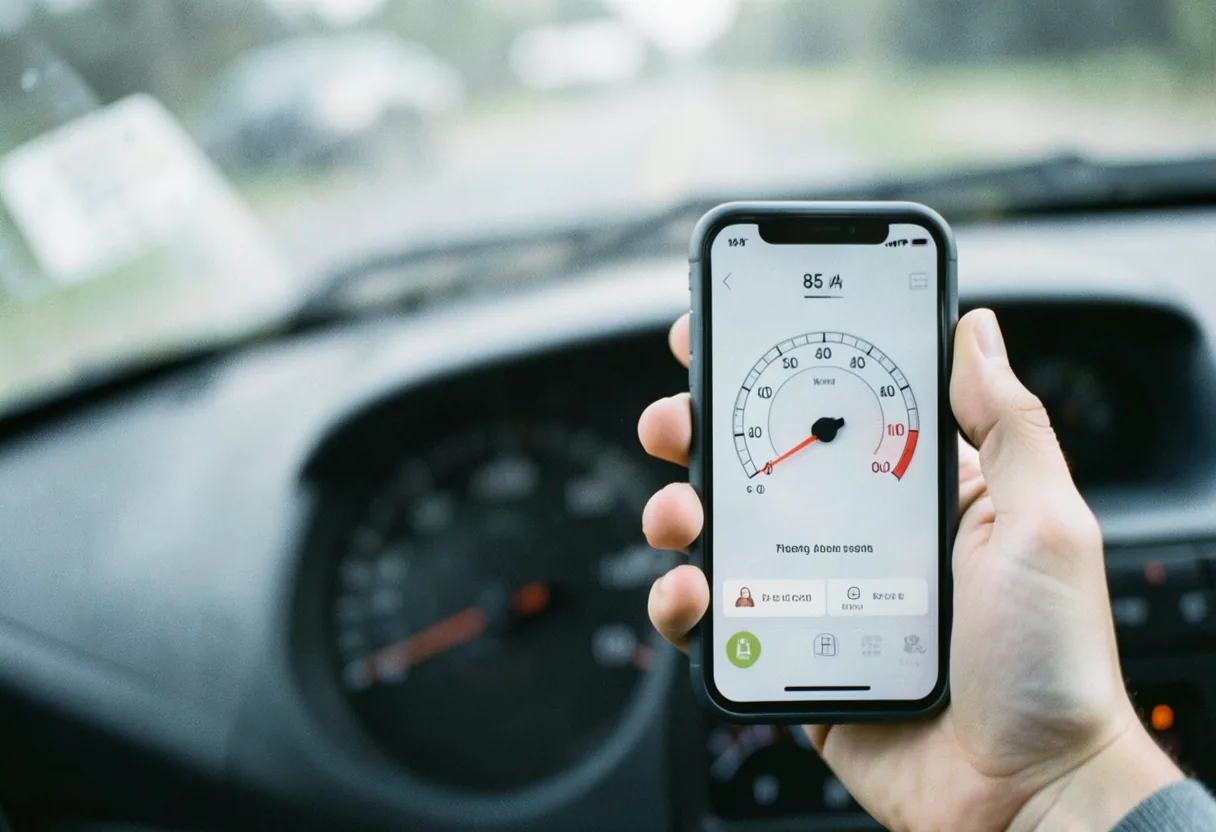
To choose the right 0 100 km/h app for your needs, consider the following factors:
- Accuracy: Look for apps with high accuracy ratings and positive user reviews.
- Features: Consider what features are important to you, such as data export, multiple test modes, or community comparisons.
- User interface: Choose an app with a user-friendly interface that is easy to navigate and understand.
- Platform compatibility: Ensure the app is compatible with your smartphone’s operating system (iOS or Android).
- Price: Determine whether you are willing to pay for a premium app or prefer a free option.
In my experience, it’s essential to read user reviews and check the app’s ratings before downloading to ensure it meets your expectations for accuracy and functionality.
Advanced techniques for measuring 0 100 km/h
For more advanced users, there are several techniques to improve the accuracy of 0 100 km/h measurements:
- Use a dedicated GPS receiver for more precise speed tracking.
- Calibrate your phone’s accelerometer for accurate acceleration data.
- Perform tests in optimal weather conditions, as rain or extreme temperatures can affect performance.
- Use a launch control system to achieve consistent and optimal acceleration.
- Record data from multiple sensors, such as engine RPM or throttle position, for a comprehensive analysis.
Put simply: Think of these techniques as fine-tuning your digital stopwatch, ensuring it records your car’s acceleration with the utmost precision, just like a professional chef adjusting the heat to cook a delicate dish perfectly.
Key facts
- Dedicated GPS receivers can provide more accurate speed tracking than smartphone GPS.
- Calibrating your phone’s accelerometer can improve the accuracy of acceleration data.
- Optimal weather conditions can enhance the reliability of 0 100 km/h measurements.
- Launch control systems can help achieve consistent and optimal acceleration.
- Recording data from multiple sensors can provide a comprehensive analysis of your vehicle’s performance.
How to compare your results with industry benchmarks
To compare your 0 100 km/h results with industry benchmarks, follow these steps:
- Research industry benchmarks for your vehicle’s make, model, and year.
- Find reputable sources, such as manufacturer specifications or independent automotive testing organizations.
- Compare your results with the industry benchmarks to evaluate your car’s performance.
- Analyze the differences between your results and the benchmarks to identify areas for improvement.
- Adjust your driving techniques or vehicle settings based on your analysis to enhance performance.
In my experience, comparing your results with industry benchmarks can help you understand your vehicle’s capabilities and limitations better, allowing you to make informed decisions about improvements or modifications.
Common mistakes to avoid
When measuring 0 100 km/h with your phone, avoid these common mistakes to ensure accurate results:
- Poor GPS signal: Ensure your phone has a strong GPS signal before starting the test. A weak signal can lead to inaccurate speed readings.
- Inconsistent acceleration: Accelerate smoothly and consistently to avoid skewing the results. Sudden jerks or hesitations can affect the accuracy of the measurement.
- Ignoring safety: Always perform acceleration tests in a safe and legal environment. Avoid testing on public roads with heavy traffic or in areas with pedestrians.
- Not calibrating the app: Follow the app’s instructions for calibration to ensure accurate alignment with your vehicle’s speedometer.
- Using an outdated app: Ensure your app is up-to-date to benefit from the latest features and improvements. Outdated apps may not provide accurate results.
Best practices for sharing your results
Sharing your 0 100 km/h results with others can be an exciting way to connect with fellow automotive enthusiasts. Here are some best practices for sharing your results:
- Use reputable online forums or social media groups dedicated to automotive discussions.
- Provide detailed information about your vehicle, including make, model, year, and any modifications.
- Include relevant data, such as weather conditions, road surface, and driving techniques.
- Be respectful and open to feedback from other users.
- Share your experiences and insights to contribute to the community’s knowledge.
The short version: Think of sharing your results as contributing to a collective recipe book, where each entry helps others improve their cooking (or in this case, driving) skills, creating a community of passionate foodies (or car enthusiasts).
Tips for improving your 0 100 km/h time
To improve your 0 100 km/h time, consider the following tips:
- Practice smooth and consistent acceleration techniques.
- Use launch control systems, if available, to achieve optimal acceleration.
- Maintain your vehicle regularly to ensure peak performance.
- Upgrade your vehicle’s components, such as tires, suspension, or engine, for better acceleration.
- Learn from professional drivers or coaching sessions to refine your driving techniques.
Regular practice and a focus on safety, combined with these tips, can help you achieve significant improvements in your 0 100 km/h time.
Safety precautions for measuring 0 100 km/h
Safety should always be your top priority when measuring 0 100 km/h. Here are some essential safety precautions to follow:
- Choose a safe and legal location for your tests, such as a closed track or empty parking lot.
- Wear seatbelts and ensure all passengers do the same.
- Use caution when accelerating and braking to avoid losing control of your vehicle.
- Be aware of your surroundings and avoid testing in areas with pedestrians or other vehicles.
- Follow all local laws and regulations regarding vehicle testing and acceleration.
At its core: Think of safety precautions as the essential ingredients in a recipe, ensuring that your dish (or in this case, your acceleration test) turns out perfectly without any mishaps, just like a chef following food safety guidelines to prevent foodborne illnesses.
Key facts
- Choosing a safe and legal location is crucial for performing acceleration tests.
- Wearing seatbelts can significantly reduce the risk of injury in case of an accident.
- Being aware of your surroundings can help you avoid potential hazards during testing.
- Following local laws and regulations ensures that you perform tests responsibly and safely.
Where can I find the app?
To find a reliable 0 100 km/h app, start by visiting the app store or Google Play Store. Use the search function to look for apps specifically designed for measuring acceleration times, such as Top 0-60 Timers to Track Your Car’s Acceleration or Best 0-60 App for Quick Speed Checks. Read user reviews and check the app’s ratings to ensure it meets your expectations for accuracy and functionality.
What does “app” mean in text slang?
“App” is short for “application,” a software program designed to run on smartphones, tablets, and other devices. In text slang, “app” refers to these convenient, often small-scale programs that provide specific functions or services, such as measuring 0 100 km/h times.
How do I install my app?
To install an app on your smartphone, follow these steps:
- Open the app store or Google Play Store on your device.
- Search for the desired app using the search bar.
- Select the app from the search results.
- Tap the “Install” button to download and install the app on your device.
- Wait for the installation to complete, then open the app from your device’s home screen or app drawer.
Where has my app gone?
If you can’t find your app after installing it, try these troubleshooting steps:
- Check your device’s home screen or app drawer for the app’s icon.
- Use the search function on your device to locate the app by name.
- Ensure the app is not hidden in a folder or on a different home screen.
- Restart your device to refresh the app list and make the app visible again.
- Reinstall the app if it is still not visible, following the installation steps outlined above.
Best apps for measuring 0 100 km/h
The best apps for measuring 0 100 km/h offer accurate, reliable results and user-friendly interfaces. Here are some top options to consider:
| App Name | Platform | Key Features |
|---|---|---|
| Top 0-60 Timers to Track Your Car’s Acceleration | iOS, Android | GPS-based speed tracking, multiple test modes, data export |
| Best 0-60 App for Quick Speed Checks | iOS, Android | Real-time speed and acceleration data, customizable test parameters, community comparisons |
| Drag Racing Timer | Android | Simple interface, multiple test modes, data sharing |
Tips for accurate 0 100 km/h measurements
To ensure accurate 0 100 km/h measurements, follow these tips:
- Use a reliable GPS signal for precise speed tracking.
- Calibrate your app according to the manufacturer’s instructions.
- Perform tests in a safe, legal environment with minimal traffic.
- Accelerate smoothly and consistently to avoid skewing results.
- Record multiple tests to ensure consistent and accurate data.
- Compare your results with industry benchmarks or other vehicle owners to evaluate your car’s performance.
How to read your results
Once you have measured your car’s 0 100 km/h time, it’s essential to understand what the results mean. Here’s a table with typical 0 100 km/h times for various vehicle types:
| Vehicle Type | 0 100 km/h Time |
|---|---|
| Economy car | 10-12 seconds |
| Sedan | 8-10 seconds |
| Sports car | 4-7 seconds |
| Luxury car | 5-8 seconds |
| Electric vehicle | 5-7 seconds |
Comparing your results with these benchmarks can help you evaluate your car’s performance and identify areas for improvement, based on my experience.
Additional resources for automotive enthusiasts
For those interested in automotive performance and testing, consider these additional resources:
- Books: “The Art of Racing in the Rain” by Garth Stein, “Go Like Hell” by AJ Baime
- Websites: car and driver, motor trend
- Forums: Reddit’s r/cars, r/autos, and r/carporn
- Events: Local car shows, drag racing events, and automotive expos
- Courses: Online courses on platforms like Udemy or Coursera, focusing on automotive engineering or performance tuning
These resources can provide valuable insights, inspiration, and opportunities to connect with fellow automotive enthusiasts.
What apps can measure 0 to 100 km/h acceleration?
Popular apps like 'G Meter' for Android or 'Dynolicious' for iOS use your phone's sensors to measure acceleration. They record speed and calculate time taken to reach 100 km/h. Some apps also log G-forces and track multiple runs for consistency.
How accurate are phone-based acceleration tests?
Accuracy depends on your phone's sensors and app calibration. High-end phones with advanced sensors provide readings close to professional equipment, within 5-10% error. For best results, ensure a flat surface, minimal wind, and consistent starting points.
Can environmental factors affect the measurement?
Yes. Wind resistance, road conditions, and phone placement impact results. For instance, testing uphill or on loose gravel skews data. Ideal tests occur on flat, paved roads with minimal wind. Phone placement on the dashboard or hood also affects sensor readings.
Do I need internet for these tests?
No. Most acceleration apps work offline, relying solely on your phone's sensors. However, some apps offer cloud storage or social sharing features that require internet. Ensure your app is fully downloaded and calibrated before testing in areas with poor connectivity.
See also: How to Use a 0-60 Timer for Car Testing.